Member of the Trade: DIY Amp Builder - AKA kytuphicanhCaution: Incomplete Sales
Joined
Jul 15, 2008
Posts
1,150
Likes
95
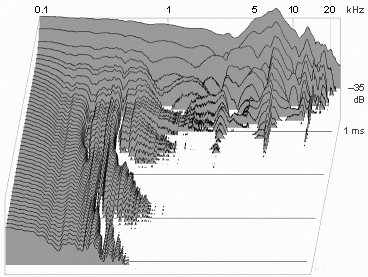
Just wondering how the tests were carried out since that peak at 5khz isn't there in Headroom's graph. And if my memory serves me right the T70's treble sound pretty dull and lifeless, unless mine were faulty.
aka Marvey, purr1n Member of the Trade: Eddie Current
Joined
Aug 2, 2008
Posts
5,408
Likes
1,327
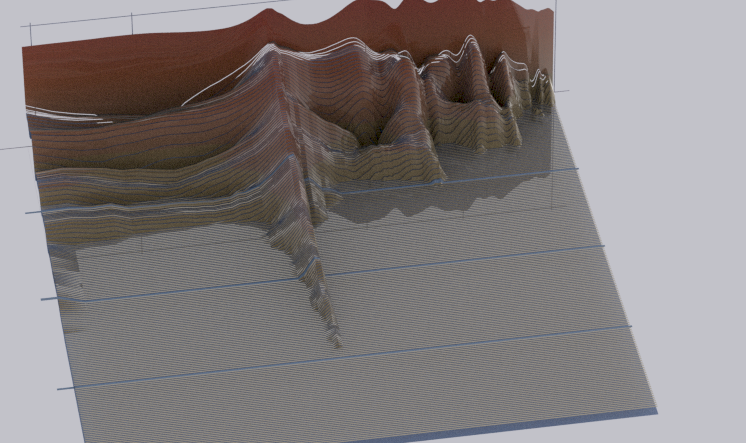
This it the T70P, not T70. The T70p sounds as bright as the sun. Also important to note that the above is a CSD plot using measurement methods different from HeadRoom.
This it the T70P, not T70. The T70p sounds as bright as the sun. Also important to note that the above is a CSD plot using measurement methods different from HeadRoom.
Regarding measurements like that in general: Will it have effect on those measurements if you put different amplifiers in the chain?
Also to my ears the T70 sounds brighter than the T70p. How do you think amplifiers can have effect on how we perceive the T70 vs. the T70p? I think a lot of the synergy between amplifiers and 250 Ohm / 32 Ohm headphones can make a world of difference in how I hear them sounding good or bad. Can such synergies have an effect on measurements like that and are you able to really tell if a headphone is good or bad based on measurements?
Regarding measurements like that in general: Will it have effect on those measurements if you put different amplifiers in the chain?
Also to my ears the T70 sounds brighter than the T70p. How do you think amplifiers can have effect on how we perceive the T70 vs. the T70p? I think a lot of the synergy between amplifiers and 250 Ohm / 32 Ohm headphones can make a world of difference in how I hear them sounding good or bad. Can such synergies have an effect on measurements like that and are you able to really tell if a headphone is good or bad based on measurements?
I've never found these types of measurements to be appreciably different with different amplification (unless the amplifier was non-linear or had very high impedance.) Even then, the response isn't going to be that different, maybe off 2-3db. I've never heard the T70. Given the output impedance of the amplifiers and headphone impedance graphs, it's actually possible to calculate the headphones' relative response on those amps.
The thing about bright is how they are bright. Are we talking about overall broadly bright, peaky bright, jaggy uneven bright, and at then bright which spots? Different people will response to different kinds of brightness. Also, the perception of the extent brightness can often be masked with warmth or pushed up bass.
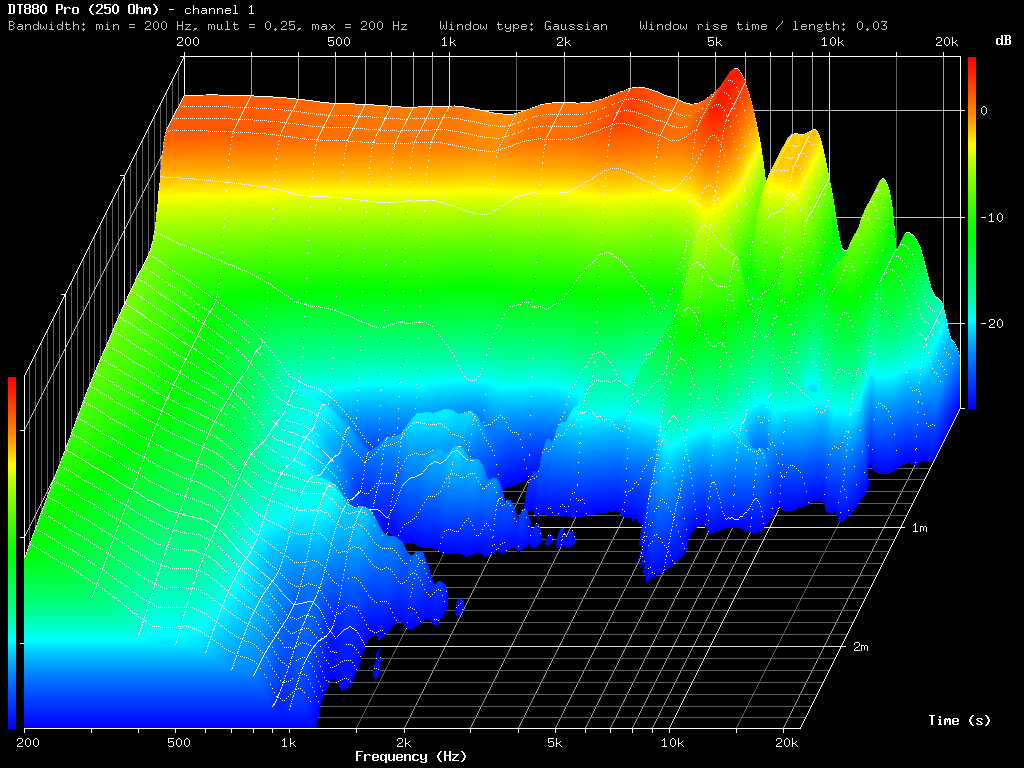
Finally it's important the to read the CSD plot carefully and note the ranges, i.e. (from 500Hz up, not 20Hz, the time intervals, etc.)
Yes, I've got half a dozen IEMs measured, but the measurements are currently going through a peer review process. I am still playing around with measurement tube diameters and lengths.
aka Marvey, purr1n Member of the Trade: Eddie Current
Joined
Aug 2, 2008
Posts
5,408
Likes
1,327
DT990-250
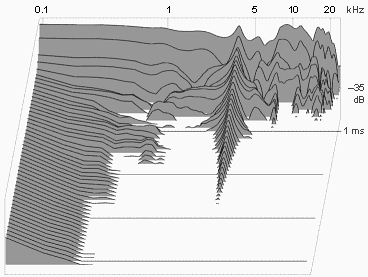
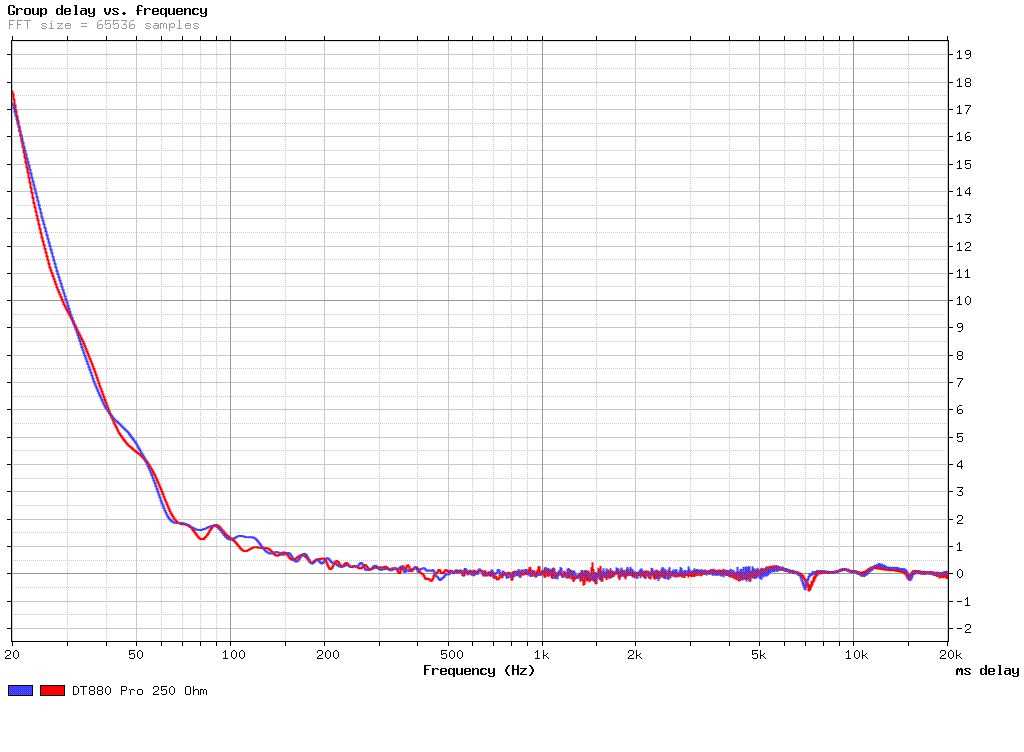
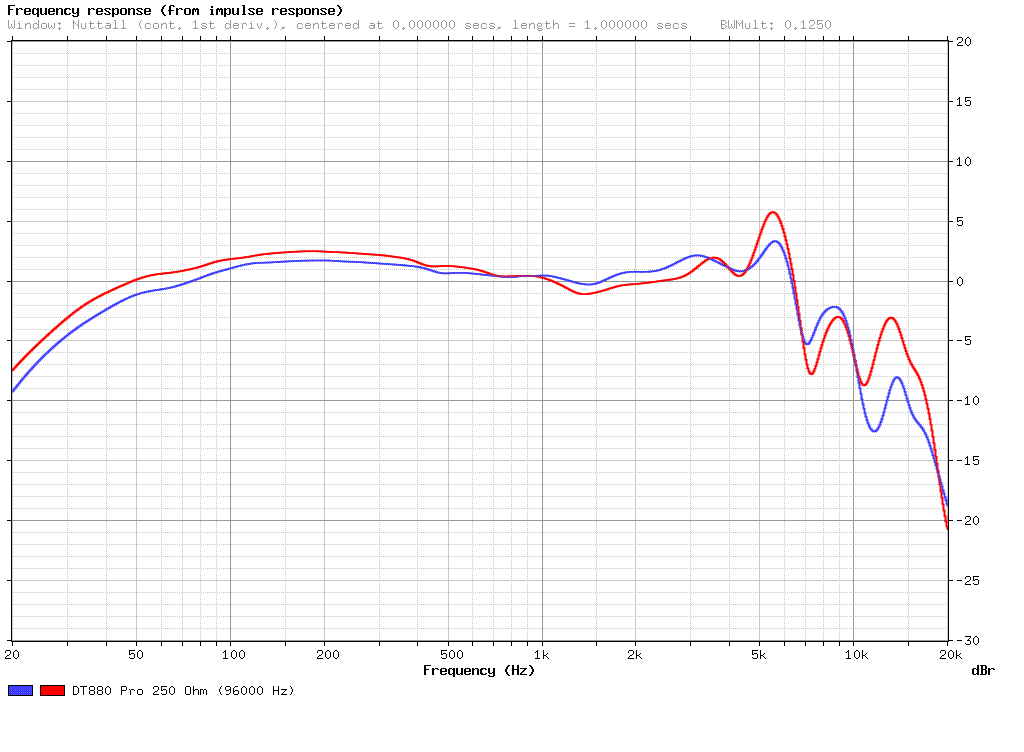
Someone asked for a comparison of this headphone with the T70p, which is below the DT990-250 graphs.
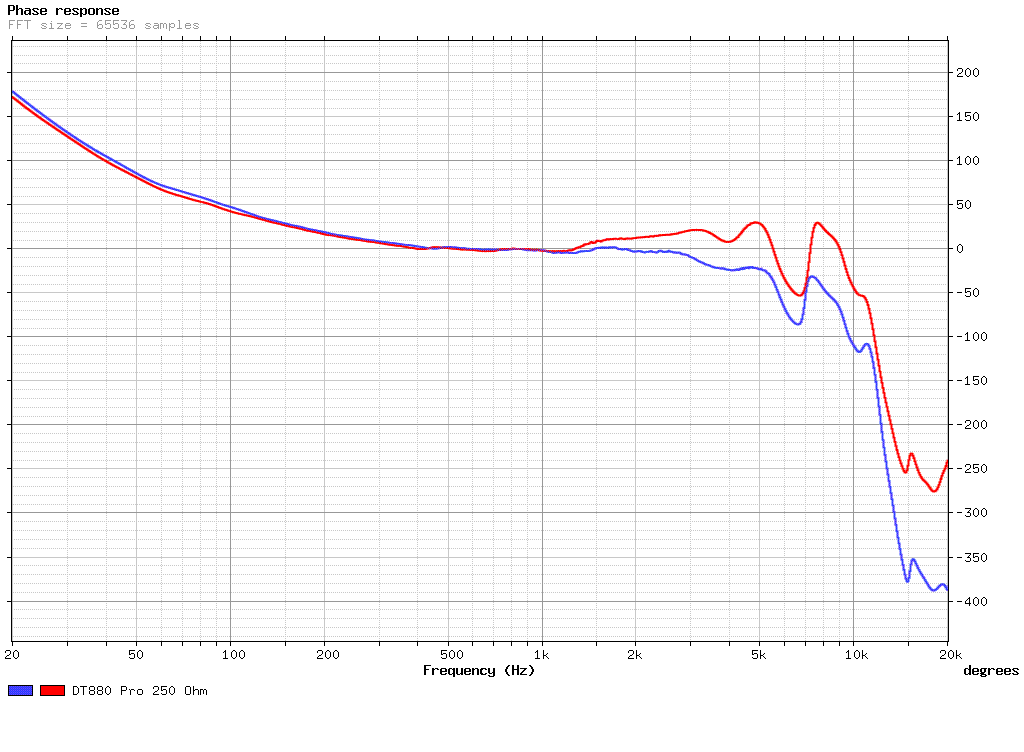
THESE ARE NOT FR GRAPHS - NOTE THE RANGES
The DT990-250 is very clean sounding and doesn't have any nasty ringing. It's just bright. The good thing about this is that EQ will do wonders for it. You can EQ for frequency response, but not EQ for resonances or stored energy.
Beyer Press Release- "After decades of research, trial and error, and countless scrapped improvements, we finally found a highly devolved driver doping that retained the treble emphasis of the DT990 while adding the resonance artifacts we were looking for. We all loved the DT990. We've loved them for decades. But we always felt they were too clean, and too neutral in the midrange. Enter the T70p. Finally we are hearing less of the recording, and more of the honk, howl and screech that we at Beyer like to call the Tesla Effect. Beyerdynamic - Why listen to recordings when you can listen to Headphones."
However, one of the main complains about the Beyerdynamic cans is a little too much tremble. I own the DT990 and also feel they are very clean sounding, and like their bass. With some of my music they sound really fine, but with some others they can be a little piercing. I have not tried the Tesla line, but having a flat tremble line option in their portfolio sounds like a good strategy to me.
However, one of the main complains about the Beyerdynamic cans is a little too much tremble. I own the DT990 and also feel they are very clean sounding, and like their bass. With some of my music they sound really fine, but with some others they can be a little piercing. I have not tried the Tesla line, but having a flat tremble line option in their portfolio sounds like a good strategy to me.
This site uses cookies to help personalise content, tailor your experience and to keep you logged in if you register.
By continuing to use this site, you are consenting to our use of cookies.