*review this right after i have this headphone. burn in test not yet available
**I will add more info after i receive velour pads ordered online. any changes in sound or improvement, will be added
Lost my AKG K403, my very first HD headphone (to me). Very low on budget, found this, bought it, waited for a near month, worth the wait. (was aiming for portability but... this price is so really pushes me to this)
This is my first over-ear audiophile headphone (well, not my first but for mainly music, this is my first) ever to buy and i didnt actually expected that if i didnt lost my AKG...
*I would guess that this is the 2nd badge of the HD681. differentiable by the position of "2x32ohm" print*
1. First Impression (well, i use Galaxy SIII camera, set ISO-800 just for less blurry. so, lots of noises)

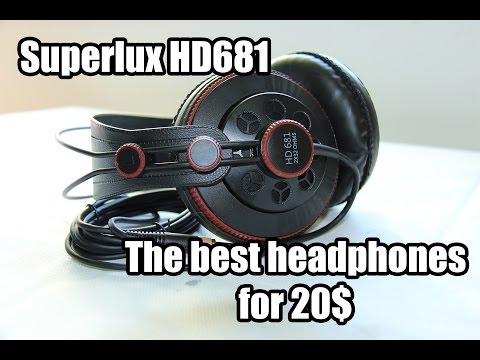
Well, the packaging is what i would say, an item from a junkyard store. I dont know if the rugged packaging is due to the shipping or is been like this, but for sure, the package is really cheap. and is exactly a piece of plastic bag wrapping a piece of cardboard (slice)

Looks horrible

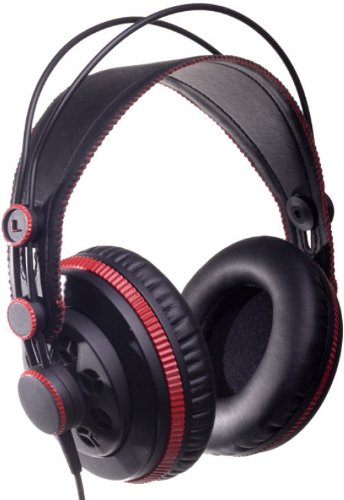
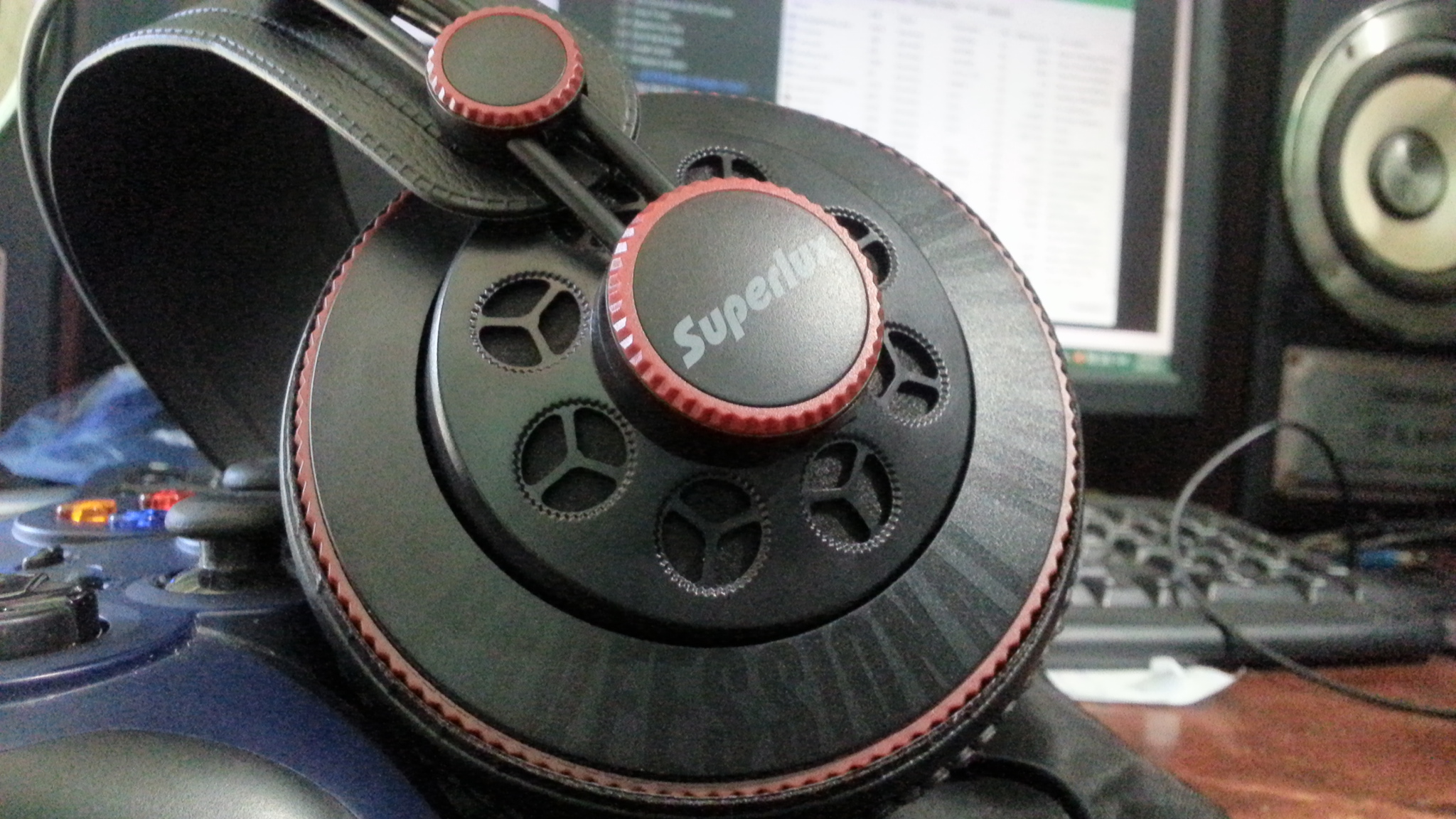
Well, i didnt pay attentioned to the colour (just like my first phone...) when i bought this but truthly, this really doesnt look attracting. but personally, i kinda like the steampunk kinda style of the styling.

This also provided with a carrying pouch to protect the headphone. Though i would say that the pouch is like a cloth bag for carrying wet clothes.

By close up though, this headphone gives a fine detail to most of those pattern (though some imperfection of build is shown)
2. Comfort
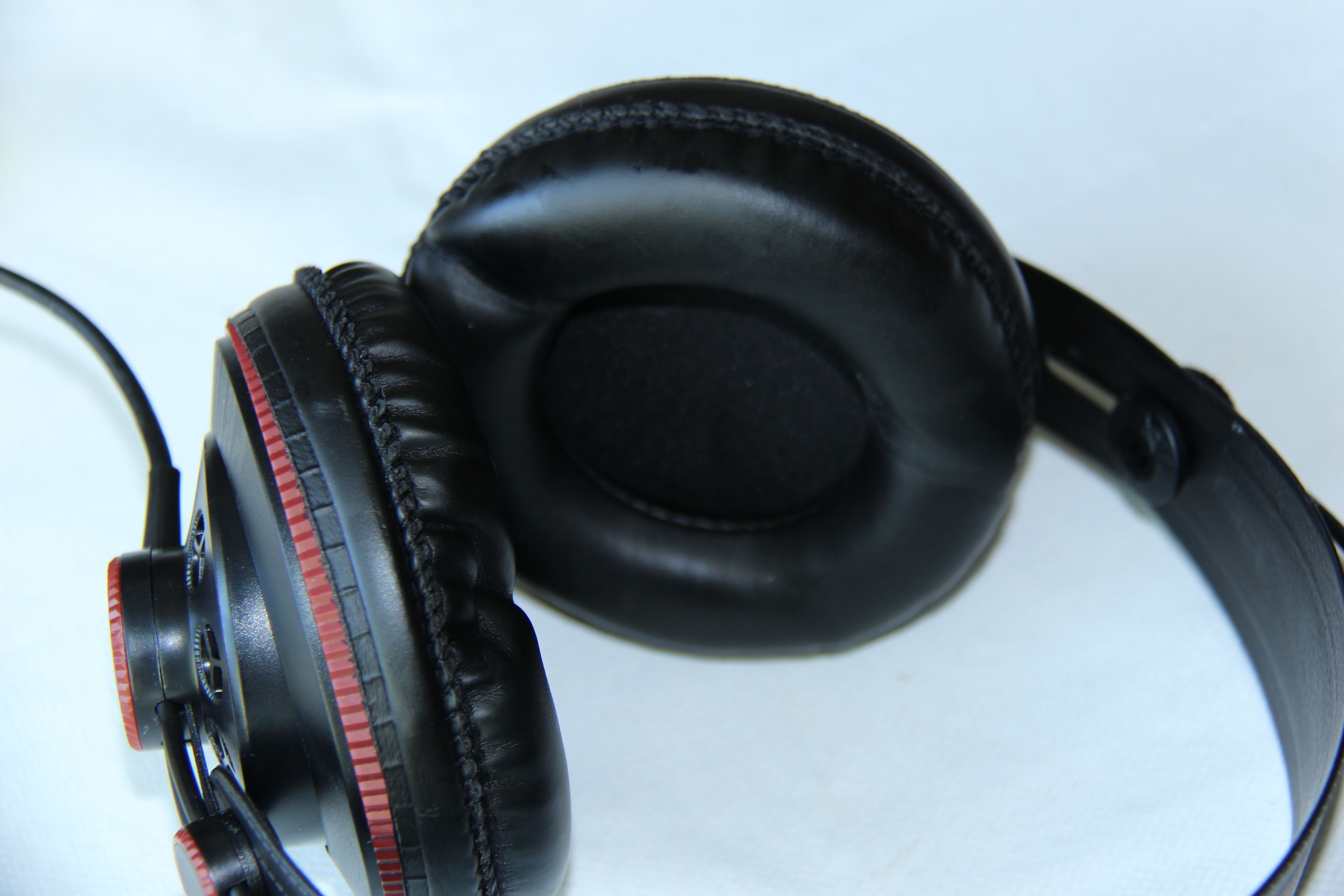
Well, is not the worst but feels not too comfy. The pad is the worst feeling ever. My ear gets sweaty and hot (maybe because im not used to wear PU pads). Most says to change to other pads that fits to the AKG K240, preferably velour one. so i think i will. (will DT880 pad fits?)
Definitely do not wear this on your neck as you may be choked (lol). is just that the headphone just 'closes'.
Tight fit but not in the assumption of having your head sandwiched hard. But that tightness boosts the hotty and sweaty feel... Will try to loose it.
3. Sound
I would say, the sound is superb.
The bass is kinda just a bit stronger than my preferred but can be tuned down just a bit. But for sure, entire bass frequency area is really amazing~ Is tight too~
i tuned down to 62kHz@-2dB, 125@-1dB
[edit]
The mid part is great. For the first time, i dont have to eq up a bit for the mid.
I can hear much more detail than before~
Well, actually, after a bit more hours, i just realised, the mid part is just, well, "audiable". is just a bit more than enough but not in a way of satisfying mids.
So, up a bit for 1dB or 2dB at 250Hz, 500Hz and 1kHz sounds more better. BUT that is just my preference. (the clicky navigation sound of the Windows when browsing is sounds more satisfying when eq-ed the mids up)
The controversial part, Treble.
Kinda sharp, but actually, not that much. maybe the 2nd badge did just a bit improve this. i eq this down, 2kHz@-2dB, 4kHz@-1dB, 8kHz@-2or3dB. after tuned, gives out some detail but also wash out some detail as well...
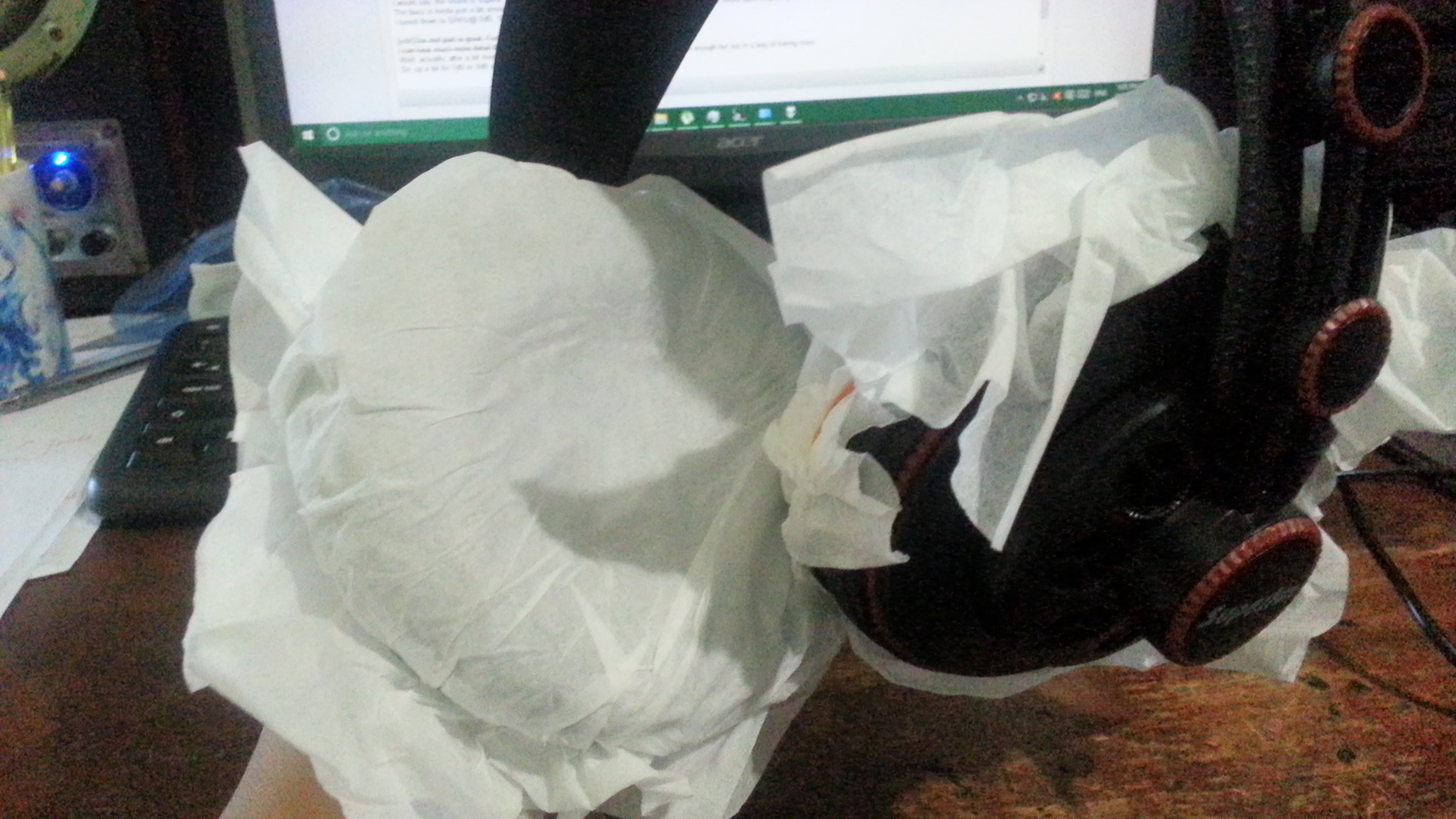
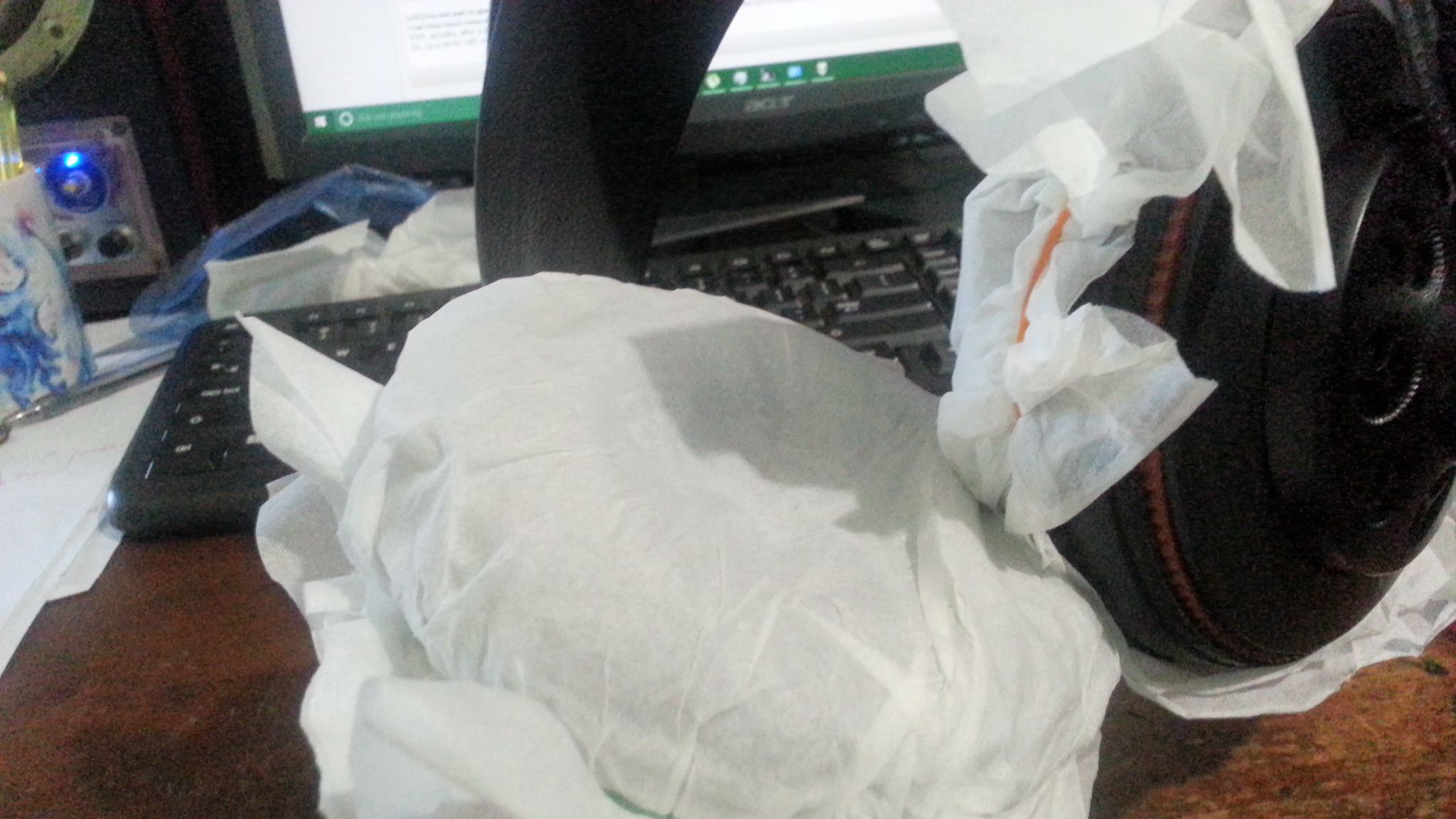
[update] Well, what i just did, i kinda use a tissue paper and that really reduces the sharpness of the treble. Well, mainly because i just want my ears to be less sweaty when wearing but that really improve the treble.

Yeah, looks messy for now. But i planned to change the pad to velour one anyways (almost one click away ordering dt880 velour pad, just a cheap one from Misodiko)

How the tissue covers the whole pad, absorbing those bad treble

Well, the tissues do their job well enough
This sounds really great if you have retro songs from the 60-80's. Tried Pink Floyd - Money, omg soo warm and retro feeling~
But, metal songs are to be avoided as the sharp treble will spoils the moment.
4. Overall
I dont know if this is actually an audiophile headphone (or even monitor) as this one has a bit coloured signature. but great to have though and pretty sounds natural to me
The best for the price. Highly recommended for another collection. Later i will try to compare this to my local available headphones like Beyerdynamic DTX910, DT880, T1, Sennheiser HD598, AudioTechnica ATH-M30x, M40x, M50x, Sony MDR-100AAP, 1A if i have time.
[update] is it just me, or DTX710 has more bass? also, HD 681 somewhat lacking of mids. i thought the bass of HD 681 is kinda more and stronger but, i didnt sense that once i tried DTX710, MDR-A1, MDR-100AAP. is like, well, the HD681 has deep bass but lacking compared to A1 and 100AAP. even DTX710 is somewhat a bit more stronger bass...
is this kinda.. true...? or is my ears playing my mind... or did my HD 681 just gone burn-in so soon? (well, i enjoyed too much of Sony MDR-Z1R, with DSD as well, so mindblowing)
[update2] i guess my mistake. yesterday i made my headphone loose enough that i just realised i've made some gaps between my head and the pad (back ear area), resulting less deep and underpowering bass. though, i really like this kind. will tighten once i receive my velour pads
*I was thinking of buying Beyerdynamic DTX710 before but, even with great price, i cant afford it. so i buy this. but.... waited for so long to ship here... and, the wait worth it